Back Pain Causes: What It Could Be, by Region
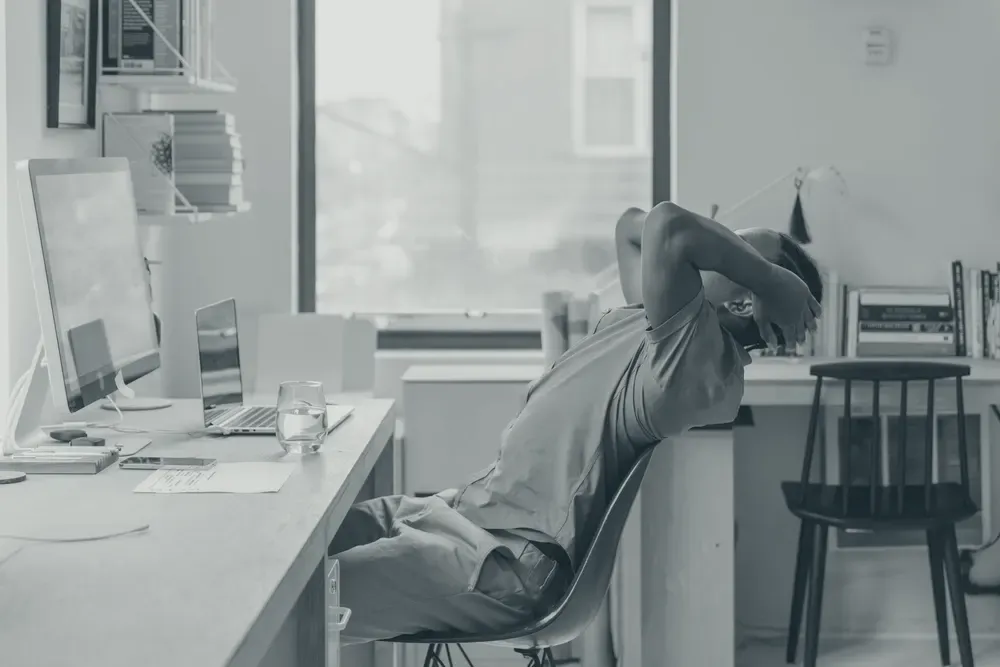
Most back pain is mechanical: a strain, a sprain, a worn disc or facet joint, a muscle that has been holding a bad position for hours. StatPearls puts mechanical causes at roughly 90% of cases, with fewer than 5% to 10% traced to a specific spinal disease. Where the pain sits, and what makes it better or worse, narrows the list faster than the intensity does.
The spine has three regions, and they fail differently
- Lower back (lumbar) — the workhorse of the spine and by far the most common site. Strains, disc and facet joint wear, herniation and stenosis all concentrate here. See lower back pain causes.
- Mid and upper back (thoracic) — the ribs brace this section, so it moves least and hurts least. When it does hurt, posture and the chest wall are the usual suspects, and non-muscular causes deserve more weight than they do lower down. See upper back pain causes and pain between the shoulder blades.
- Neck (cervical) — mobile, unsupported, and carrying the head. Symptoms that run into the arm follow the same nerve-compression logic as sciatica does in the leg.
What “mechanical” actually covers
NIAMS groups the mechanical causes as sprains and strains, herniated discs, and degenerative disc disease, and lists inflammatory conditions such as ankylosing spondylitis separately. Beyond the spine itself, it names osteoporosis, fibromyalgia, infections, kidney stones, and pregnancy as causes of back pain.
The practical read: an aching, movement-related pain that eases with rest and changes with position is behaving mechanically. Pain that ignores position entirely is the one worth a second look.
Acute, subacute, chronic — why the clock matters
NIAMS separates back pain by duration, and the label sets the expectation:
| Category | Duration | What it usually means |
|---|---|---|
| Acute | days to a few weeks | Sudden onset, most often mechanical, usually improving on its own |
| Subacute | 4 to 12 weeks | Not resolving on schedule; worth a closer look |
| Chronic | more than 12 weeks | Daily pain; needs a broader plan than rest and pills |
Most acute episodes improve regardless of what is done for them. That is the single most useful fact about back pain, and it is why the American College of Physicians puts drug-free measures first for acute and subacute pain.
When the pain is not coming from the spine at all
- Kidneys. One-sided pain higher and more to the side than typical low back pain, with fever, chills, nausea or blood in the urine. See kidney pain vs back pain.
- The chest wall and lungs. Pain that sharpens on a deep breath or a cough points at ribs, joints and pleura rather than the spine. See back pain when breathing.
- The heart and the aorta. Radiating pain into the back, shoulders, neck or jaw, with sweating, nausea or shortness of breath, is an emergency, not a muscle.
What to do in the first two weeks
The ACP guideline recommends starting without drugs for acute and subacute low back pain: superficial heat, and options like massage, acupuncture, or spinal manipulation. If medication is wanted, it puts NSAIDs or skeletal muscle relaxants first.
MedlinePlus adds the practical layer: reduce activity only for the first couple of days, use ice for the first 48 to 72 hours and heat after that, and avoid heavy lifting or twisting for about six weeks. Bed rest is not on the list.
Red flags that change the plan
StatPearls groups the warning signs by the condition they are screening for. Any of these belongs in front of a clinician rather than on a heating pad:
- Nerve emergency — new urinary retention or trouble starting to urinate, bowel dysfunction, numbness across the saddle area, sciatica down both legs, or new weakness in both legs.
- Progressive neurologic loss — motor or sensory loss that is getting worse, new incontinence, or a significant motor deficit.
- Possible infection — fever with back pain, recent spinal procedure or surgery, injected drug use, or a suppressed immune system.
- Possible cancer — a history of cancer, or unexplained weight loss with focal tenderness.
- Possible fracture — significant trauma, long-term corticosteroid use, known osteoporosis, or age over 70.
MedlinePlus adds pain that travels down the leg below the knee, weakness or numbness in the buttock, thigh, leg or pelvis, severe pain that leaves no comfortable position, and pain still present after four weeks.
This content is informational and does not replace medical evaluation, diagnosis, or treatment. For the two specific patterns people ask about most, see herniated disc symptoms and sciatica symptoms.
Frequently asked questions
Does back pain always mean something is wrong with the spine?
No. Mechanical back pain accounts for about 90% of cases, and fewer than 5% to 10% trace back to a specific spinal disease. Pain can also be referred from the kidneys, the chest wall, or the abdomen.
Do I need an MRI for back pain?
Usually not in the first weeks. Without red flags, imaging rarely changes what is done next, and it commonly finds bulges and degeneration that are present in people with no pain at all.
Is bed rest good for back pain?
No. MedlinePlus is explicit that bed rest is not recommended and that you should stay as active as you can, cutting back only for the first couple of days of a bad episode.
Is back pain different in men and women?
The mechanical causes are the same. Two things shift the odds: pregnancy is a recognized cause in women, and osteoporotic compression fracture is more common in women after menopause.
Can back pain be caused by stress?
Indirectly, yes. NIAMS lists chronic stress and poor sleep among the risk factors, largely through muscle guarding, reduced activity, and a lower pain threshold rather than any injury to the spine.
Sources
- Back Pain — National Institute of Arthritis and Musculoskeletal and Skin Diseases (NIAMS, NIH)
- Low Back Pain: Evaluation and Management — StatPearls, NCBI Bookshelf
- Low back pain — acute — MedlinePlus Medical Encyclopedia (A.D.A.M., Inc.)
- Qaseem A et al. Noninvasive Treatments for Acute, Subacute, and Chronic Low Back Pain: A Clinical Practice Guideline From the American College of Physicians
Written by Lucas Silva · Reviewed by Lucas Silva · Updated on August 14, 2026